Navigating Changes: A Secure Approach, to Hunting along the Buffalo River
Access routes to hunting areas near the Buffalo River can sometimes become difficult because of things in the way. Whether it's a gate that is locked a trail that can't be passed or any change in the land these things are important. They not change the way you hunt; they also change how safe you are and how well you take care of the world. Learning how to change your plans with safety and respect for the land is very important.
Understanding the Change in Access
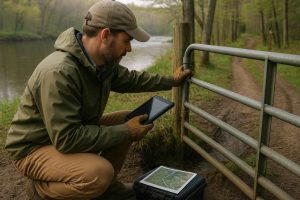
Every time you face a problem with getting in your first reaction should be to stop and look at what's happening. Ask yourself what exactly has changed. For example a gate that is locked might mean there are rules in place maybe to keep animals safe or to protect an area that is recovering from a fire. A muddy trail might be okay to walk on but not to drive on. New fences or equipment might mean there is work happening like cutting trees or planting ones and you need to avoid those places.
Trying to go through barriers is not an idea. Old maps can be wrong. Going onto land that's not yours without asking is not polite and could cause problems. If your hunting club allows it take pictures. Write down what you see, including where the problem's what it is. Tell the truth; don't. Make up ideas in your report.
Formulating a Practical Access Strategy
It's important to remember that just because a path looks shorter doesn't mean it's the choice. Think carefully about the options. Check if the new path is in the places and if it might go into another person's area. Stay away from places that're special like streams or animals' homes. Also get ready for changes in the weather and in the light because these can change your plans quickly.
If you are walking, plan where you will go in and where you will come out. If you are driving choose a place to park that does not harm the land. Don't make new paths to save time-repeating the tracks can hurt the land. If all the paths seem dangerous or not good it is better to wait until things get better. Missing one chance to hunt is better than hurting the land or putting yourself in danger.
Open Lines of Communication
Before you go tell hunters or your club about what you found. A simple message can stop confusion. Stop people from working on the problem again. Give details about what changed, where it's what other choices are. It is especially important to say if driving is allowed on any paths you talk about.
Be careful not to think that any new way is definitely okay. Just because a path looks open on a map doesn't mean it is allowed or safe. It might take you into a place that's not open or into someone 's area. If you are not sure about any part of the path it is better to say you don't know than to make a decision without information.
When you see another hunter around talk to them. Let them know you are there make sure your gun is handled right and plan to stay from each other to be safe. Some places that you know well can have dangers. Be used by others.
Prioritizing Safety: Reevaluating Your Hunting Plan
Changes in access can bring dangers like being near roads, rivers or steep areas. Before you start think about your way again. Know which way you are going and think about where the bullet might go-make sure there is something to stop it. Think about if there might be people on your way.
Dress for the weather. Bring tools to talk, like a phone or radio in places that are far away. Watch for weather changes-rain can make hills slippery and less light can make signs hard to see. If you cross a stream check the water level. Watch where you step. Be ready to turn if it looks too risky.
Follow all the rules for your gun and the local laws no matter where you go. Know the rules of your club because they might change with the seasons or because of ways of taking care of the land.
Respecting Wildlife Habitats
steps can hurt delicate places. Areas with plants, birds that are nesting or riversides need your care. Stay on the paths you already have and don't make ones even if they look easier. If you have to go walk carefully along the edges of going through.
Don't move things like branches, rocks or signs. Don't open gates. These are usually there to protect the land and the animals that live there. What seems small now like one set of footprints can cause problems over time for the soil and the plants. Try to leave little as possible so nature stays the same.
Final Considerations before Proceeding
When you have a problem getting in take time to think about these things:
– Boundaries: Is the path in the place?
– Permissions: Have people in charge said this path is okay?
– Presence of Others: Could other people be using this path?
– Environmental Impact: Could your travel hurt the ground or plants?
– Safety: Can you go this way without places. Not seeing well?
– Communication: Have you told others about your plans?
If you are not sure about any of these be careful. Take time to find out more. This thinking helps you make choices and avoid problems.
Sharing Your Experience
After you deal with your problem think about how your experience might help others. Write down what happened say if the blockage is temporary or not and if signs are missing.. Don't mark the trail yourself because putting signs can confuse others.
Before you go check the rules, the land restrictions and the club updates. Things can change fast. Planning ahead helps keep you safe and shows respect for the land. Good planning is not about keeping the paths open; it is about working protecting nature and making sure everyone can enjoy the Buffalo River area safely and with respect. By helping each other we all make the land better. Make the hunting experience better, for everyone.