A productive club season depends on more than weather, wildlife movement and time in the field. Planning is not simply assigning stands and sending a group message. Problems often begin with small details left unverified: a difficult gate, a changed trail or overlapping access windows. A few checks before opening day can prevent conflict, protect the property and clarify what responsible participation requires.
Read the Property Before You Read the Weather
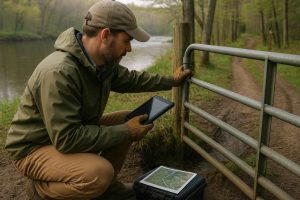
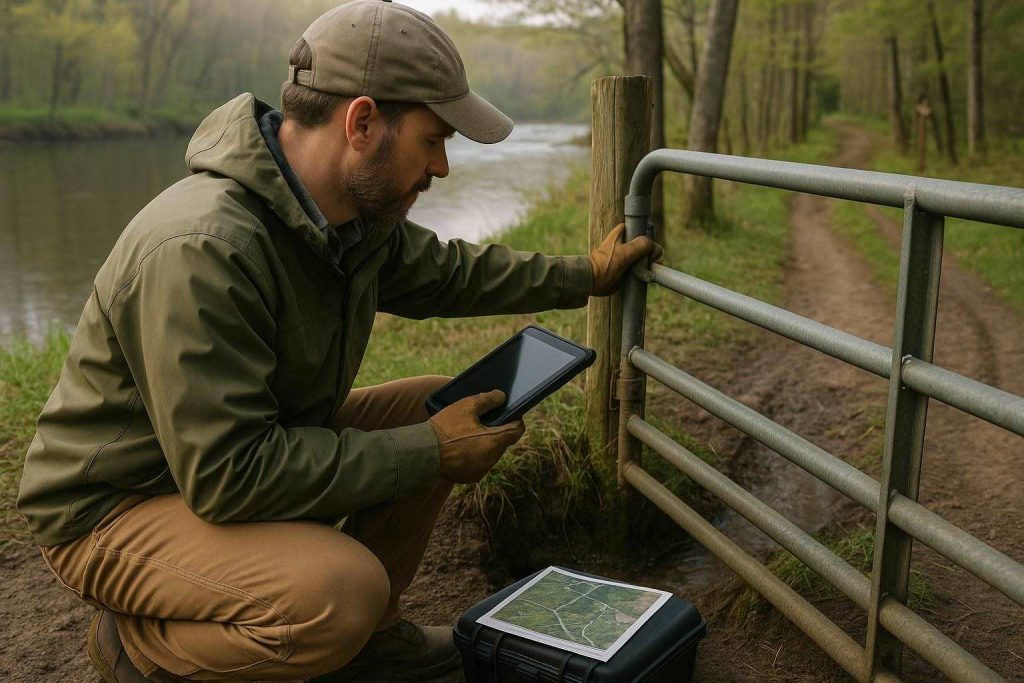
Start with the ground itself. Walk main access routes, parking areas, gates, bridges and commonly used trails before members depend on them. Look for washouts, leaning trees, damaged fencing, standing water and branches that could obstruct vehicles or create hazards on foot.
Do not assume last season's map still reflects current conditions. Storms, timber work, farming, flooding and traffic can change a route. If a gate no longer closes securely, a culvert appears damaged or a trail is deeply rutted, record the issue and decide whether it requires repair, restricted use or an alternate route.
Base that decision on risk, not convenience. A muddy patch may call for slower travel and limited vehicle use. A compromised bridge, unstable tree or unclear property boundary should not be treated as a minor inconvenience.
Turn Access Into a Shared Plan
An access plan should answer practical questions before members reach a gate: Which entrances are open? Where can vehicles park without blocking equipment or emergency access? Are some trails foot traffic only? Which areas are closed for habitat work, erosion or safety concerns?
Put the answers in writing and make them easy to find. A simple map can show approved routes, closed areas, parking points and no-entry boundaries without revealing sensitive hunting details. The goal is to remove uncertainty about movement across the property.
Establish a dependable communication method. A group message can handle updates, but it should not be the only record if messages are easily missed. Specify where members should report a blocked gate, damaged stand, injury, lost equipment or unexpected land-use conflict. Give urgent safety matters priority and identify who must escalate serious concerns.
Treat Maintenance Clues as Early Warnings
Small signs can point to larger problems. Freshly broken limbs, tire damage around a gate, missing stand fasteners, unusual litter or repeated trespass evidence deserve attention even when no incident has occurred. The symptom may not reveal the cause, but it warrants further inspection.
Before using an elevated position, inspect its visible condition, attachment points, steps, rails and surrounding ground. Do not use equipment that is loose, deteriorated or altered in a way no one can verify. Follow manufacturer safety instructions for stands, ladders and harnesses, and replace questionable equipment instead of improvising a fix.
Apply the same standard to vehicles and tools. Leaking fuel, exposed wiring, unreliable brakes, damaged straps and poorly stored cutting equipment should not be normalized because they have caused no trouble yet. A maintenance log noting the location, symptom, date and action taken can keep repeated reports from disappearing into conversation.
Make Safety Clear Before It Becomes Urgent
Safety expectations should guide decisions. Members need to know how to respond to poor visibility, severe weather, medical problems, damaged access routes and unexpected encounters with others on the property. They should also understand expectations for firearm handling, positive target identification, transport and storage.
A useful pre-season checklist can stay short:
– Confirm current emergency contacts and the best access point for assistance.
– Inspect routes, gates, bridges and elevated positions before use.
– Mark closed areas and communicate temporary restrictions.
– Confirm that each member understands the check-in or notification process.
– Review required safety equipment and site-specific hazards.
– Report defects, injuries, near misses and boundary concerns promptly.
A check-in system should support safety, not create a false sense of security. If someone misses a planned notification, members should know when to follow up and when to seek help. Keep personal information limited to what is necessary, and update outdated contacts rather than assuming someone else has done so.
Let Habitat Work Set the Pace
Land stewardship shapes hunting access and may require temporary limits. Wet areas may need to remain undisturbed, repaired trails may need time to settle, and nesting, bedding or regeneration areas may benefit from reduced traffic.
Do not take shortcuts through sensitive ground because an established route is inconvenient. Repeated vehicle passes can deepen erosion, spread invasive plants and damage soil after the surface dries. Use designated routes, close gates as found and remove personal trash, spent materials and food scraps.
Report signs of overuse, including widening trails, exposed roots, heavy browsing near a small area, repeated disturbance or runoff crossing a path. One observation may not justify a change, but a pattern can support rotating access, resting an area or improving drainage.
Check Rules Before the First Hunt
Club permission does not replace public requirements. Seasons, licensing, tagging, reporting, firearm and archery rules, baiting restrictions, transport requirements and hunter education obligations can change. Local conditions may also affect access, fire use or land-management activities.
Review current guidance from the relevant state wildlife agency and other official authorities before the season. Members should verify rules for their method, location and intended species instead of relying on an old message, remembered practice or advice passed between members. When a rule is unclear, pause and confirm it through an official source.
Keep permission records and property-boundary information current, respect posted restrictions and do not assume a familiar route remains authorized. A season starts in better shape when access plans, safety expectations, stewardship needs and legal obligations point in the same direction.
Good preparation is not paperwork for its own sake. It means noticing weak points while they are still easy to correct and making decisions visible to everyone who shares the ground.